Efficient Buffet Layouts to Enhance Guest Flow
Table Of Contents
Placement of Food Stations
The arrangement of food stations plays a vital role in ensuring a smooth guest experience during a buffet. Strategically placing these stations allows for an efficient flow as guests navigate the area. A common practice is to create a natural progression, such as starting with appetisers and moving towards main dishes and desserts. This layout minimises congestion and allows for a more relaxed dining atmosphere. It can also be beneficial to spread out popular items to prevent bottlenecks, ensuring that no single area becomes overwhelmed.
Incorporating a variety of stations can further enhance the overall experience. Having themed areas or diverse cuisine offerings can spark interest and encourage exploration among guests. Positioning drinks and cutlery stations at the beginning or end of the buffet line can also streamline movement while providing an appealing flow. The juxtaposition of different food flavours and presentation styles can excite guests, enticing them to try more options without feeling rushed.
Strategies for Efficient Flow
Optimising the arrangement of food stations is crucial in promoting smooth movement among guests. Place popular items at the beginning of the buffet to attract traffic. This ensures that individuals are engaged from the outset. Utilise a linear layout or circular pathway, as these configurations can guide guests seamlessly through the offerings. Incorporating clear signage can also direct flow and reduce congestion around popular areas.
Designing the buffet space with wide aisles prevents bottlenecks and allows multiple guests to navigate simultaneously. Staggering food stations creates opportunities for guests to spread out while serving themselves. Positioning beverage stations away from the food encourages guests to move around rather than cluster in one area. Efficient flow requires planning for both the food selection and the overall layout, ensuring a pleasant dining experience for all.
Factors to Consider in Buffet Design
Designing an efficient buffet involves assessing the physical space and guest capacity to ensure a comfortable dining experience. The layout should account for the number of guests expected while providing ample room for movement. Tight spaces can lead to congestion, causing delays and frustrating diners. Ensuring that pathways are wide enough for groups to navigate easily is essential. Consideration of different dining styles, such as stand-up or seated, will also influence how the space is configured.
Another critical aspect is the flow of the buffet itself. A logical sequence from appetizers to desserts can significantly enhance guest movement and reduce wait times. Positioning food stations strategically allows guests to avoid bottlenecks while serving themselves. It is also beneficial to separate drinks from food to prevent crowding around a single area. Clear signage directs guests around the buffet and visually indicates any restrictions or specialty items, helping to maintain an organised atmosphere.
Guest Capacity and Space Constraints
Understanding the number of guests expected at an event is essential for designing an efficient buffet layout. A higher guest capacity requires more space and strategically placed stations to prevent congestion. Allocating enough room for guests to move freely can significantly enhance their dining experience. A crowded environment can lead to frustration and reduce overall enjoyment.
Space constraints also play a pivotal role in buffet design. Consideration of the venue’s dimensions and the arrangement of furnishings will influence how food stations are set up. Creating clear pathways between tables and stations allows for seamless movement and encourages guests to serve themselves comfortably. Careful planning ensures that even in limited spaces, the buffet remains functional and inviting.
Incorporating Visual Elements
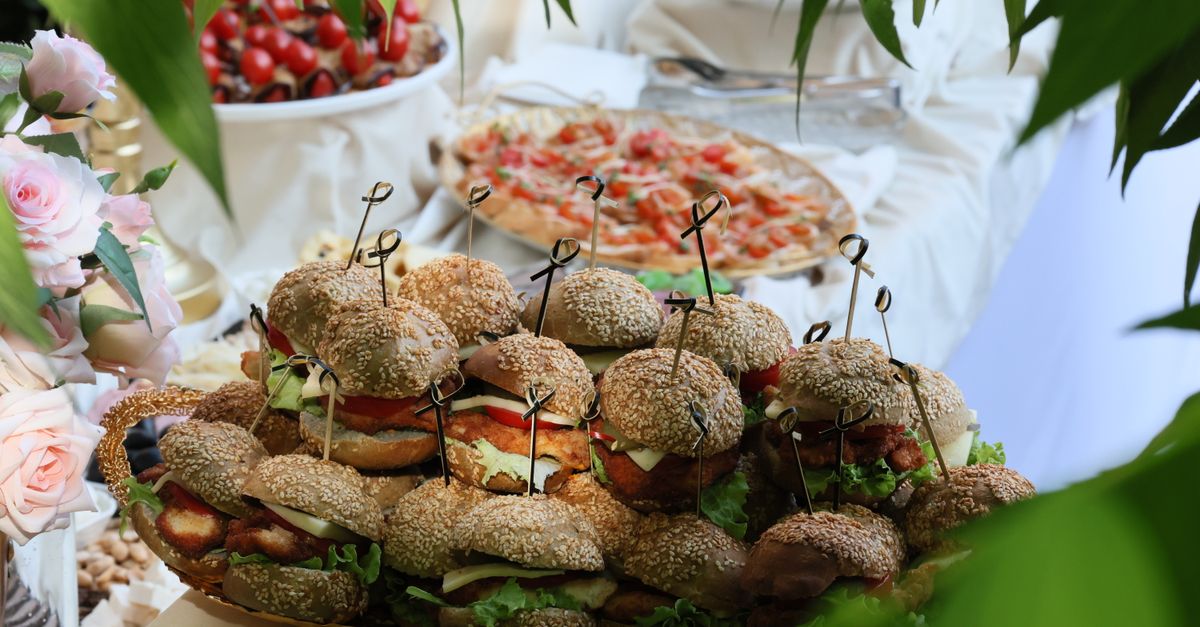
Visual elements play a significant role in enhancing the overall atmosphere of a buffet. The choice of tablecloths, centrepieces, and signage can create an inviting and cohesive look that draws guests in. Incorporating themed decorations related to the cuisine being served can further enrich the sensory experience. For instance, rustic displays for a farm-to-table theme or elegant accents for a formal banquet can help set the tone and encourage guest engagement.
Attention to lighting is also essential. Soft, warm lighting can create a welcoming ambiance, while brighter lights may serve to highlight specific dishes or stations. Well-placed spotlights or fairy lights can showcase food presentations, making them more appealing. Incorporating visual elements such as foliage or floral arrangements adds an organic touch and creates visual interest, helping to guide guests through the buffet while enhancing their overall experience.
Creating an Attractive Buffet Presentation
An inviting buffet presentation plays a crucial role in enticing guests and enhancing their overall dining experience. Use a cohesive colour palette that complements the event theme while selecting tablecloths, serving dishes, and decorations. Fresh flowers, elegant centrepieces, or themed decor can elevate the visual appeal, helping create an atmosphere that encourages guests to enjoy their meal. Attention to detail in arranging food items can also make a significant difference; grouping dishes thoughtfully and ensuring they are visually balanced can draw attention and instigate curiosity.
Incorporating elements such as decorative labels for each dish adds an informative layer, allowing guests to easily identify options. Well-planned lighting can enhance the aesthetics, highlighting the buffet area and making the food look more appetising. Additionally, consider the height and texture of food displays; using varied heights through stands or tiered platters can create visual interest. Such thoughtful presentation not only caters to the eyes but also enhances the tactile experience as guests navigate the spread, ultimately enriching their engagement with the buffet.
FAQS
What are the key factors to consider when designing a buffet layout?
Key factors include the placement of food stations, guest capacity, space constraints, and the overall flow of guests. It's important to ensure that food stations are easily accessible and logically arranged to minimise congestion.
How can I enhance guest flow at a buffet?
Enhancing guest flow can be achieved by strategically placing food stations, ensuring there's enough space for guests to move around, and using clear signage to direct guests. Implementing a one-way traffic flow can also help reduce bottlenecks.
What role do visual elements play in buffet design?
Visual elements are crucial in creating an attractive buffet presentation. They can draw guests in, enhance the dining experience, and encourage guests to explore different food options. Incorporating colourful decorations, appealing layouts, and engaging signage can significantly improve the overall appeal.
How can I accommodate a large number of guests without compromising service?
To accommodate a large number of guests efficiently, consider using multiple food stations to spread out the offerings, ensuring ample space for movement. You should also plan for seating arrangements that allow easy access to food without overcrowding.
What are some common mistakes to avoid in buffet layouts?
Common mistakes include overcrowding food stations, inadequate space for guests to queue, poor signage, and neglecting the aesthetic appeal of the buffet. It's important to plan carefully to avoid these issues and ensure a smooth dining experience.
Related Links
Catering for Varied Tastes: Customising Your BuffetPopular Buffet Food Trends in Wollongong