How to Choose the Right Catering Style for Corporate Functions
Table Of Contents
The Importance of Presentation
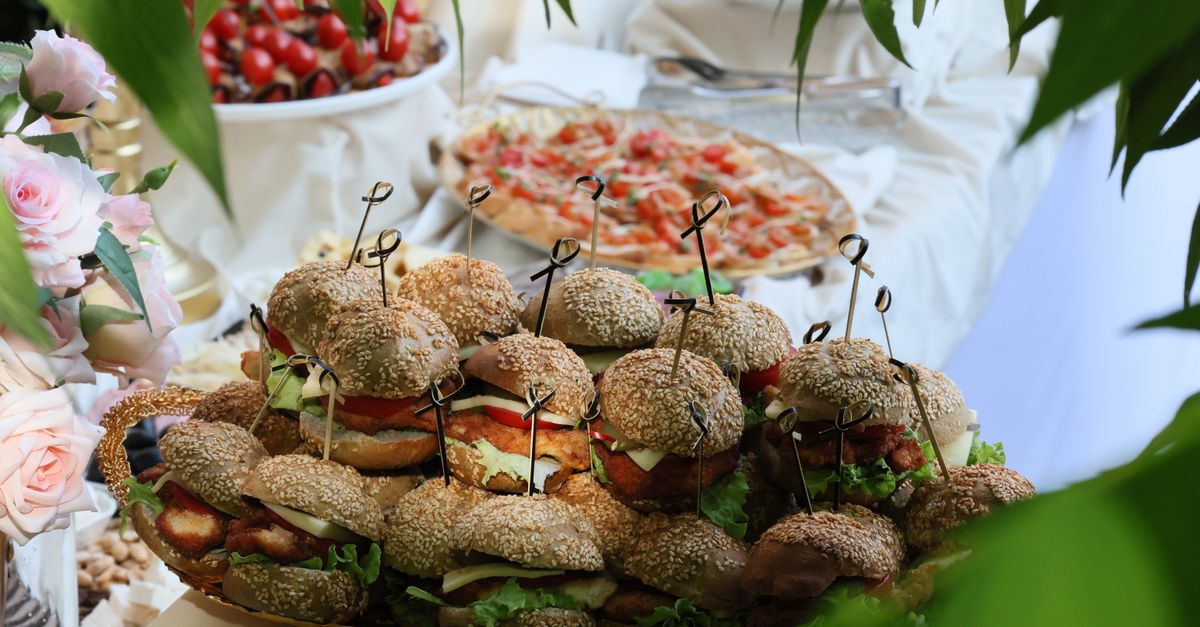
The visual aspect of food plays a crucial role in how it is perceived by guests. A beautifully arranged platter or an elegantly set table can elevate the dining experience and create a memorable atmosphere. This is particularly important in corporate settings where first impressions matter. A well-presented meal not only reflects professionalism but also shows a level of care and attention that guests appreciate.
Guests are more likely to engage with visually appealing food layouts. Bold colours, thoughtful garnishes and artistic arrangements can stimulate appetite and interest. When catering for corporate functions, the aesthetics can also reinforce branding, contributing to a cohesive theme that aligns with company values. Overall, an emphasis on presentation can enhance overall satisfaction and leave a lasting impression on attendees.
Enhancing the Dining Experience Through Visuals
The visual presentation of food plays a significant role in shaping the overall dining experience at corporate functions. Guests are more likely to engage with and enjoy their meals when the dishes are aesthetically appealing. Attention to detail, such as the arrangement of food on plates or the use of vibrant garnishes, can elevate a simple dish into a memorable culinary experience. Additionally, thematic presentation that aligns with the event's branding or purpose creates a cohesive atmosphere that enhances the overall impact.
Incorporating visual elements extends beyond just the food itself. Consideration should also be given to the table settings, such as the colour scheme, tableware, and centrepieces. These components work together to create an inviting ambience that encourages conversation and connection. A well-designed setting not only complements the menu but also reflects the professionalism and care taken in planning the event. Striking the right balance between practicality and aesthetics can create a lasting impression on attendees while promoting the brand's image.
Staffing Requirements
Effective staffing is crucial for ensuring a seamless catering experience. Each catering style may necessitate a different number of staff members to manage food service, set up, and clean up. For instance, buffet service often requires fewer staff compared to a sit-down dinner, where servers need to attend to multiple tables. Understanding the specific needs of the event will help in determining the appropriate number of staff, taking into account the complexity of the menu and the expected guest count.
Additionally, roles must be clearly defined to enhance operational efficiency. Kitchen staff will need to prepare and present dishes, while front-of-house personnel manage guest interactions and service flow. For larger functions, it might be worthwhile to consider hiring a catering coordinator to oversee logistics and ensure that everything runs smoothly. This level of organisation enhances the overall dining experience for guests and reflects positively on the hosting company.
Determining Service Needs Based on Catering Style
Different catering styles require varying levels of staffing to ensure smooth service. For buffet-style catering, a less extensive team is needed since guests serve themselves. This approach can be efficient for larger groups, but it also means that staff members must be on hand to manage food replenishment and maintain cleanliness. In contrast, plated service demands more personnel. Waitstaff must efficiently serve each guest, focusing on timing and presentation. This style not only elevates the meal experience but also requires more coordination and a higher staff-to-guest ratio.
When selecting a catering style, consider the nature of the event and the expectations of the attendees. A formal gathering typically calls for plated service, requiring additional training for staff in presentation and etiquette. Conversely, a more relaxed atmosphere might benefit from a buffet or food station setup, allowing guests to interact casually. Understanding the balance between service level and guest experience will guide you in choosing the most effective staffing strategy for your corporate function.
Seasonal and Local Sourcing
Incorporating seasonal and local ingredients into a catering menu can significantly enhance the overall quality and flavour of the dishes served at corporate functions. Seasonal produce is not only fresher but also more nutritious, providing a superior dining experience for guests. Sourcing ingredients from local suppliers supports the community while reducing the carbon footprint associated with transporting food over long distances. This practice also fosters relationships with local farmers and vendors, which can lead to unique menu offerings that highlight regional specialities.
Choosing fresh, locally sourced ingredients allows catering teams to adapt their menus based on availability and peak harvesting times. This flexibility can result in a more innovative and dynamic catering approach, appealing to diverse tastes and preferences. Seasonal menus can evoke a sense of connection to the environment and promote sustainability, aligning with corporate social responsibility initiatives. Emphasising local sourcing not only enhances the flavour profile but also reflects a commitment to quality and ethical practices in the culinary arts.
Benefits of Using Fresh Ingredients
Incorporating fresh ingredients into corporate catering can significantly elevate the overall quality of the meal being served. Fresh produce not only enhances the flavour profiles but also provides visual appeal on the dining table. Seasonal ingredients often boast superior taste and texture, making every dish more memorable for attendees. Furthermore, using local and seasonal produce can reduce the carbon footprint associated with transportation, aligning the event with sustainability values.
Another advantage lies in the health benefits associated with fresh foods. Nutrient-rich ingredients are more likely to be unprocessed and free from preservatives, contributing to a healthier dining experience. This focus on nutrition can resonate well with participants who appreciate the consideration for their wellbeing. A menu crafted from fresh, local components can also reflect the ethos of the organisation, showcasing a commitment to quality and community support.
FAQS
What are the different catering styles available for corporate functions?
There are several catering styles to choose from, including buffet, plated service, food stations, and cocktail receptions. Each style offers a unique dining experience and can be tailored to suit the event's theme and guest preferences.
How does the presentation of food impact a corporate event?
The presentation of food plays a crucial role in enhancing the overall dining experience. It not only makes the meal more visually appealing but also creates an atmosphere of professionalism and attention to detail, which can impress clients and stakeholders.
What should I consider when determining staffing needs for my event?
Consider the number of guests, the chosen catering style, and the complexity of the menu. For buffet and food station setups, fewer staff may be required, whereas plated service typically necessitates more servers to ensure timely service.
Why is sourcing seasonal and local ingredients important for catering?
Using seasonal and local ingredients ensures freshness, enhances flavour, and supports local producers. It can also be more cost-effective and sustainable, which is increasingly important for corporate social responsibility.
How can I ensure the catering style aligns with my corporate event's theme?
To align the catering style with your event's theme, consider the overall atmosphere you wish to create, the type of cuisine that complements the theme, and how the food presentation can reflect the corporate identity. Collaborating closely with your caterer can help achieve this.
Related Links
Customized Catering Options for Your Wollongong Company EventsEnhancing Business Events with Innovative Catering Solutions